Everything on one connection
Generation, storage and loads share one grid connection point. The order of planning decides where its limit lies.
Frequently searched
Energy projects for commerce and industry
Solar, storage, charging infrastructure and grid connection as one coordinated system. One point of contact instead of many separate trades.
Many separate parts becoming one system
Control room
Generation, storage, charging power and power quality are connected. Looking at only one of these curves still decides the others — without knowing them.
Generation, storage and loads share one grid connection point. The order of planning decides where its limit lies.
Schematic curves, not measurements. The curves for your site come from your load profile, the roof survey and the grid operator's information.
Systems thinking instead of piecework
Generation, storage and charging power share a single grid connection at your site. Order those trades separately and you risk expensive peak loads and bottlenecks at the connection. GFG Energy coordinates every component from the outset.
The same connection capacity carries more generation, more storage and more charge points.
The battery catches what would otherwise set your annual peak — and with it the demand charge.
Less supply, lower peaks, and a contract at a fixed price for the rest.
Positioning
A commercial energy project is rarely a purely technical question. Roof structure, load profile, grid capacity, certification, financing and later marketing all interlock. Miss those interfaces and you pay for it afterwards. We close the gap between engineering, trade, grid operator and finance partner — and you get a project that can be approved, built and operated economically.
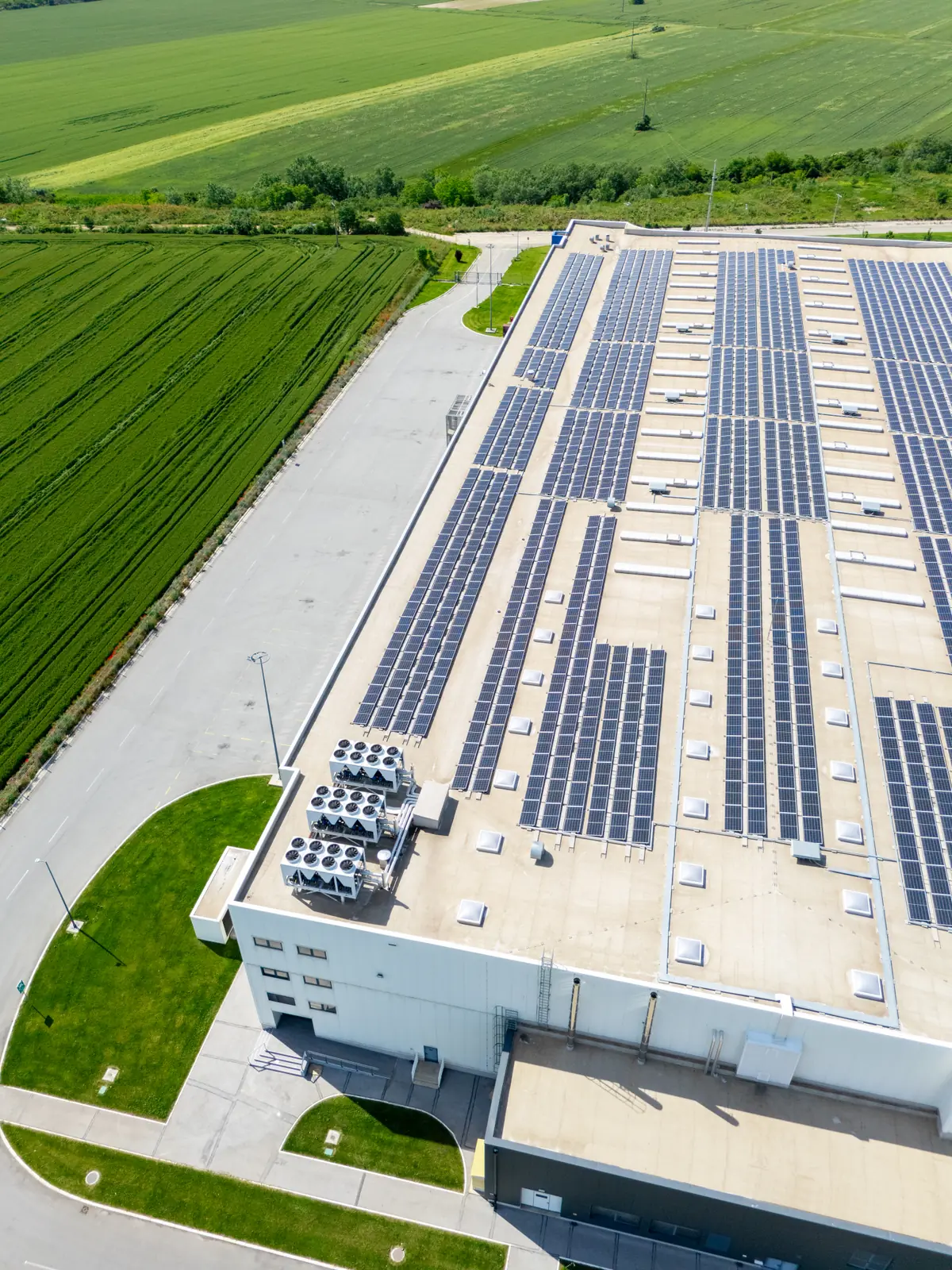
Solar, storage, charge points and the grid connection are designed and controlled as one system. Your own power arrives where it is needed, and your connection is not overloaded.
You lower peak loads and grid charges and use more of your own power. We bring the financing with us: through our finance partner we deliver your project as contracting, PPA, leasing, hire purchase or tolling. If you prefer to invest yourself, we support that too.
One project manager holds structure, permits, grid operator, financing and contractors together. Your coordination effort stays small, from the first check to commissioning.
From practice
Four patterns that keep coming back. None of them is a technical problem — all four arise because the questions are asked in the wrong order.
A system size is fixed before anyone has seen the load profile.
The array fits the roof but not the consumption. Self-consumption stays low.
Read the load profile first, then derive the sizing from it.
Technology and financing are settled, and only then does the connection request go out.
The grid operator's response has deadlines of its own. The schedule slips.
Ask the grid question early, in parallel with the design.
The battery size is derived from the array size instead of the load profile.
Too large costs money, too small fails to shave the peak — the most valuable effect is lost.
Size it from quarter-hourly values and calculate variants against each other.
Solar, storage, charge points and electrics are ordered separately.
Nobody owns the interfaces. Every delay is passed to the next party.
One point of contact across all phases, with clear handovers.
What waiting costs
Peak loads, unused roof areas, grid enquiries filed too late: the cost of an energy project does not start with construction, it starts before. What runs here is a model calculation — with open assumptions, so you can check it.
€0.00
is what an installation of this size would have delivered since 1 January
0 kWh that were not generated 800 kWp Example installation on a commercial roof
800 kWp × 1,000 kWh/kWp·a × (70 % × 25 ct + 30 % × 7 ct) = €156,800 a year, distributed over a typical annual pattern.
A model, not a commitment. Your figures come from the load profile, the roof survey and the grid operator's information, and they can be well above or below this. As soon as they are there, we calculate with them.
Single-line thinking
Generation, storage, charge points and loads all hang on one busbar and one grid connection point. Ordering them separately means planning past that busbar.
Everything meets at one point. What fits there decides the rest.
Connection capacity is the real limit of a project — not the roof area.
Meters and the metering concept decide which kilowatt hour counts as self-consumption.
The electrical path first, the components second. The other way round gets expensive.
Schematic, without ratings. The binding single-line diagram is produced during design.
Four components, one system
The same four components as everywhere else — not as tabs, but as a path. The drawing on the left follows how far you have read.
Storage & grid in detailGeneration where it is consumed. Orientation, layout and connection are derived from the load profile.
The layout follows consumption, not the largest number of modules. That changes the business case more than the choice of module.
Batteries shift energy into the hours when it is needed and shave expensive peak loads.
The size comes from the load profile. Too large costs money, too small fails to shave the peak.
Charge points change the consumption of a site. We plan them with the grid connection, not beside it.
Charge points are rarely the problem; the connection is. That is why it comes first in the planning.
The grid connection often decides the size and the schedule of a project. That is why it comes first with us.
The grid enquiry has deadlines of its own. File it late and the whole schedule moves.
Each component can be ordered on its own. They are planned together.
ONE PLATFORM. CONNECTED ENERGY.
Power from your own roof without investing is standard today. We offer that too. What counts is the part afterwards: whether the battery actually shaves the peak, whether the connection is used to the full without being exceeded, and whether free capacity earns anything on the market. One platform controls, settles and markets.
Energy management controls solar, storage and charge points in real time, shaves peak loads and raises your self-consumption.
ViewSupply and feed-in stay within the agreed limits. Several meters and sites are pooled.
ViewFree battery capacity is marketed through our virtual power plant on the energy markets.
ViewEach of these topics can be ordered on its own. The order only helps: without a metering concept there is no clean data, and without data no reliable evidence.
More on operations and marketsVirtual power plants
A battery that only charges and discharges leaves money on the table. Our systems work where the greatest value arises at the site — and that is not the same place everywhere.
Optimises your internal consumption first: peak loads are shaved and production is hedged against price spikes. Unused buffer is marketed automatically — your operation always has priority.
Free connection capacity or unused land carries a grid-serving battery. Direct feed-in and marketing on the balancing market, without touching your operational routines.
The two do not exclude each other: during the week the system secures your production loads, in quiet periods it trades on the energy market.
Storage, grid and virtual power plantsRoof and plant
A photovoltaic system is a long-term investment. For it to run reliably and economically for decades, the structure beneath it has to be up to the job. We treat the roof and the energy plant as one system — from the technical survey through planning to coordinated delivery.
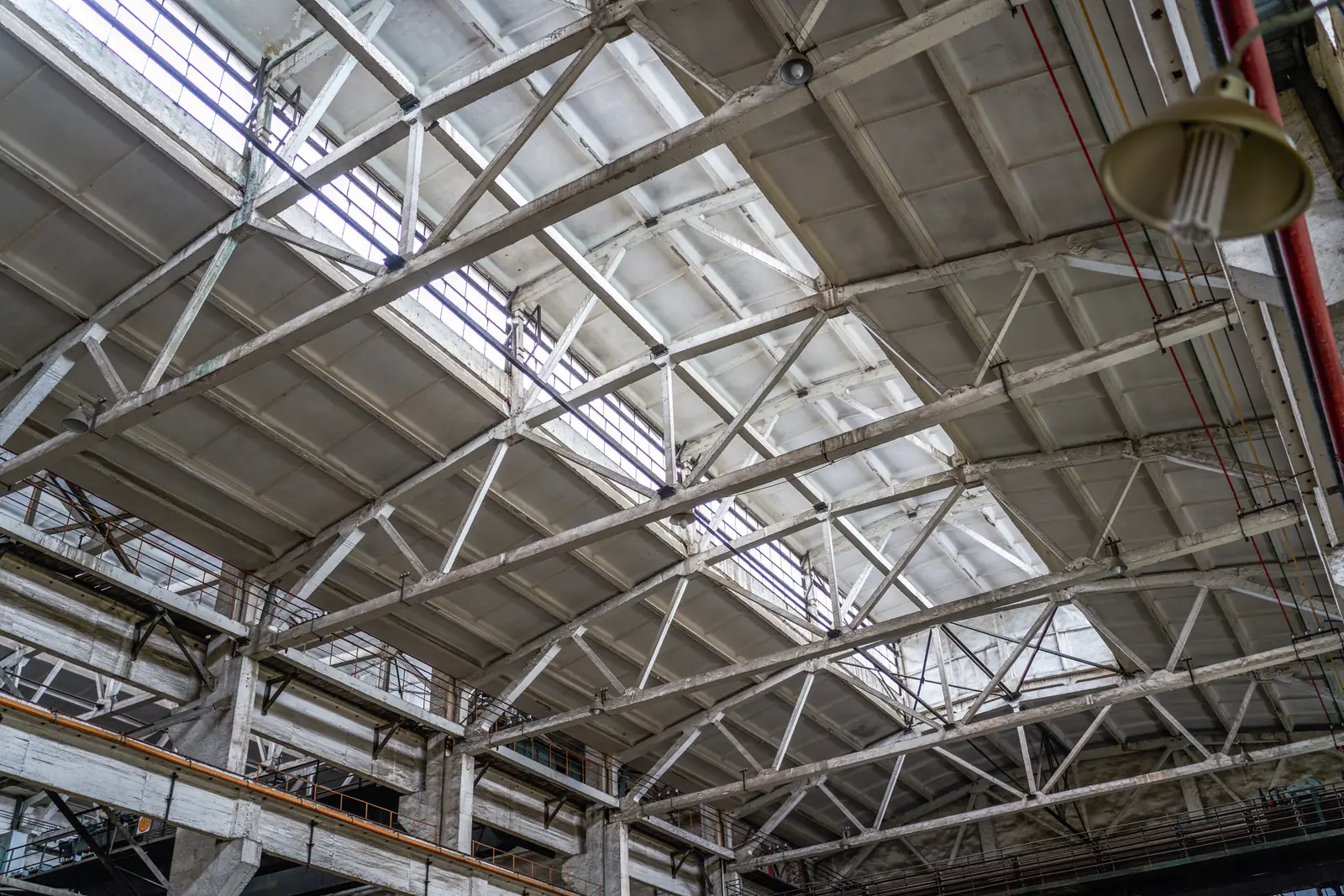
Safety starts with a sound survey of what is there.
We check load-bearing capacity, waterproofing and remaining service life. That way we identify any need for refurbishment early and give you a dependable basis for your investment decision.
One overall concept. Less effort. Better economics.
We align any necessary roof refurbishment with the installation of your photovoltaic system. Joint planning, coordinated construction sequences and shared synergies cut interfaces, cost and downtime.
One point of contact. Every discipline. One shared goal.
We bring in the specialist trades the project needs and coordinate the technical and organisational sequence. From roof refurbishment to commissioning your photovoltaic system, we keep delivery aligned and efficient.
Whether refurbishment is needed is what the survey shows. If the roof is sound, it stays as it is.
We are not only thinking about the next solar installation. We are thinking about the next 30 years.
With end-to-end planning, technical expertise and commercially sound solutions, we create the conditions for energy investments that stay safe and profitable over the long run.
Principle
A site is not a catalogue of equipment. It is a system — and it only becomes affordable once you look at all its parts at the same time.
How GFG Energy works
Services
Hover over a row — or go straight to the section that concerns you.
All services at a glanceSite assessment
Sound planning starts with data, not with a module catalogue. We gather these basics at the beginning — they decide the size, the schedule and the economics of the project.
| Parameter | Source | Result |
|---|---|---|
| 01Load profile | Quarter-hourly values from the metering operator | Self-consumption, peak loads |
| 02Roof areas | Drawings, structure, site visit | Layout, yield forecast |
| 03Grid connection | Connection capacity, grid operator's information | Feed-in, expansion limits |
| 04Storage | Load profile, tariff structure | Size, operating mode |
| 05Charging demand | Fleet, usage times | Charge points, load management |
| 06Power quality | Measurement across a typical week | Harmonics, reactive power |
| 07Financing | Company objectives, balance sheet | Project structure |
Grid limit
The limit of a project is rarely on the roof. It sits at the grid connection point — and it is negotiable if you start early enough.
How much capacity does the connection allow today?
The grid operator's information shows this. We file the enquiry and check it against your load profile.
What does more capacity cost — and what does less capacity save?
More capacity often means grid expansion, with a construction cost contribution and waiting time. Storage and load management can lower the need. We calculate both routes.
Which parts of the project need no new connection at all?
Often self-consumption behind the meter. We separate what can be done straight away from what waits for the grid commitment.
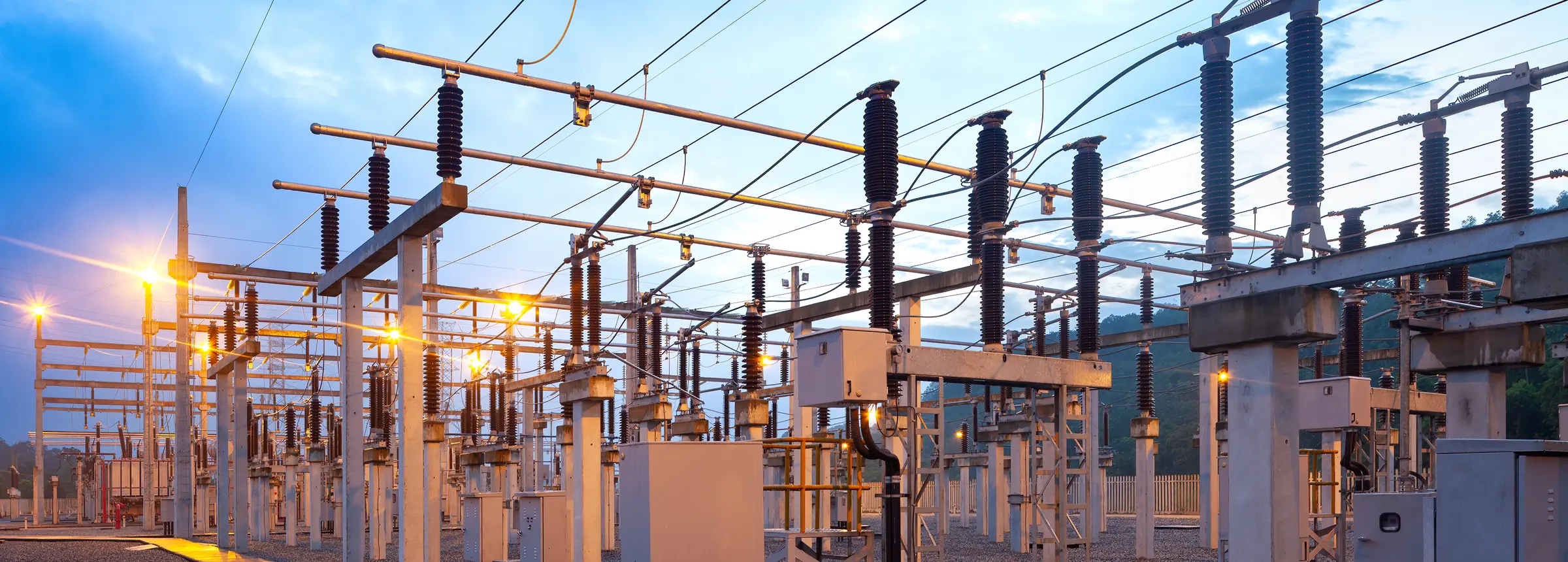
Substation
Approach
After each step you have a tangible result and decide how to continue.
We assess roof areas, load profile and grid capacity.
A clear statement of what is possible and pays offWe size solar, storage, charge points and transformer, file the grid enquiry and propose the right financing model.
A decision-ready concept with figuresWe take on tendering and construction supervision; installation is done by our partner firms, through to commissioning with the grid operator.
A finished installation, with the site still runningThe installation is connected to energy management and the virtual power plant, monitored and maintained.
Durably low energy costs and additional revenueThe phases can be ordered individually. If you only need the site assessment, you get the site assessment — with a result that stays usable, even without us.
The approach in detailEnergy consulting from end to end
Many people have a say in an energy project: management, engineering, planners, the grid operator, banks or funds, and the contractors. GFG Energy holds the threads together, translates between the parties and makes sure decisions are taken in the right order. During operation our own software takes over — as a service, under licence or as a complete package, including for utilities.
Structural figures of the approach, not performance indicators.
Financing and project structure
The best technical solution helps little if it does not fit the balance sheet. That is why we develop the project structure together with the engineering — and bring the financing with us through our finance partner.
Which structure fits depends on the company. We calculate variants, not promises.
Financing and modelsOur finance partner funds, holds the investment and operates. You buy the power on site.
A long-term supply contract at a fixed price from the installation on your own site.
Green power from installations away from your site, physically or as a hedge.
Fixed monthly instalments; with hire purchase, ownership transfers at the end.
The capacity of a large battery is made available for a fixed fee.
You invest yourself; we take on planning, delivery and system integration.
Frequent questions
That is exactly when the order matters. An installation runs for 25 to 30 years — if the roof is refurbished afterwards, it has to come off again. We check the condition with the roof survey and, where necessary, plan refurbishment and installation as one job. We bring in the specialist firms; your point of contact stays with us.
Yes, particularly then. An offer describes a solution, not the question behind it. With the load profile and the grid situation you can check whether the proposed size matches the consumption — and what the price actually refers to.
No. Every service can be ordered on its own. The results are prepared so that your planners or installers can continue with them, even without us.
That depends on how quickly the load profile, the drawings and the grid operator's information are available. The grid enquiry has deadlines nobody can shorten — which is why we file it early.
No. We plan, calculate and supervise. The work is carried out by specialist firms selected together with you.
Then that stands in the business case, and it stands there before anything is invested. A well-founded no is a result, not a failure.
Yes. Several sites are first assessed individually and then prioritised — by potential, grid situation and effort.
Site check
In a thirty-minute first conversation you get an initial assessment of which combination of solar, battery storage and charging infrastructure could relieve your site. Checking and calculating come afterwards — with your load profile and the grid operator's information.
Helpful, but not required
If you have none of this, that is no obstacle. The load profile can be requested from your metering operator — we tell you how in the conversation.